
Spatial computing is an innovative field that merges the digital and physical worlds, allowing us to interact with information in a more intuitive way. At its core, spatial computing involves using technology to understand and manipulate the physical environment around us. This includes augmented reality (AR), virtual reality (VR), and mixed reality (MR), all of which enhance our experiences by blending digital content with the real world.
One of the fundamental concepts in spatial computing is the ability to track and analyze our surroundings. Devices equipped with sensors and cameras can gather data about the environment, recognizing objects and understanding their spatial relationships. This data is then processed to create immersive experiences, enabling users to interact with 3D holograms or navigate virtual environments as if they were really there.
An exciting aspect of spatial computing is its potential applications in various industries. In healthcare, for instance, surgeons can visualize organs in 3D during operations, leading to better outcomes. In education, students can engage with complex concepts through interactive simulations. Retailers can use spatial computing to enhance shopping experiences, allowing customers to visualize products in their own homes before making a purchase.
As spatial computing continues to evolve, its impact on our daily lives is expected to grow. With advancements in technologies like artificial intelligence and computer vision, the way we interact with the world around us will change significantly. By embracing spatial computing, we can unlock new possibilities for creativity, productivity, and connectivity that were once unimaginable.
Key Technologies Driving Spatial Computing
Spatial computing is revolutionizing the way we interact with digital information and our physical surroundings. This innovative field combines various technologies to create immersive experiences that blend the real and virtual worlds. Several key technologies are driving spatial computing, making it more accessible and impactful than ever before.
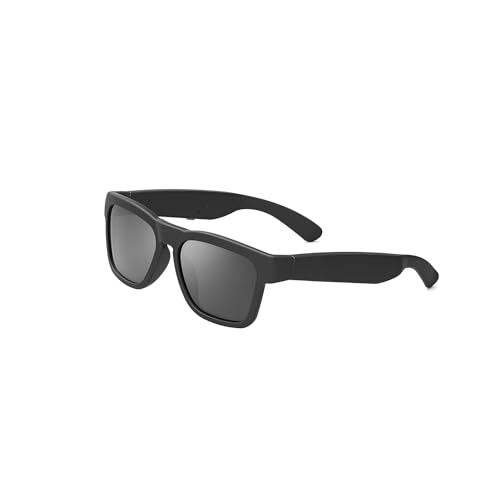
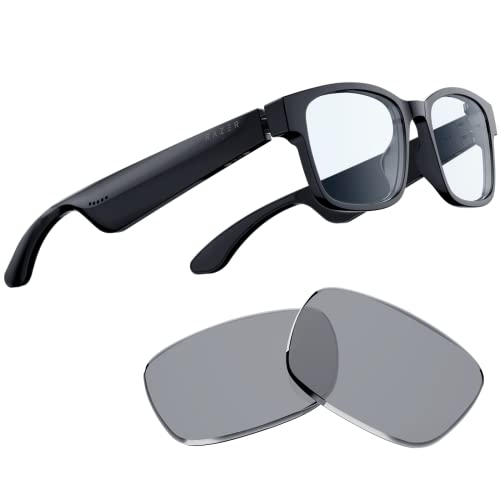
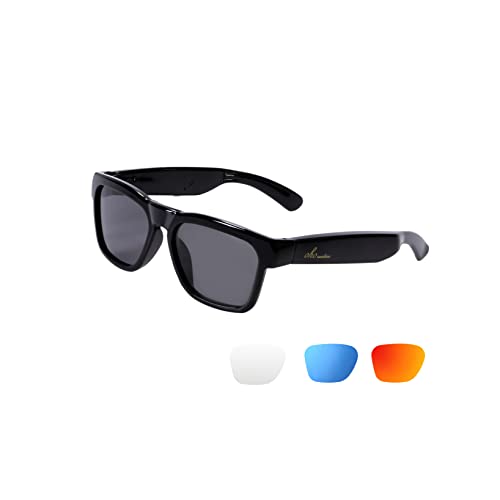
One of the primary technologies behind spatial computing is augmented reality (AR). AR overlays digital content onto the real world, allowing users to interact with both simultaneously. Devices like smartphones, smart glasses, and AR headsets have made AR experiences increasingly popular. These tools enable everything from interactive gaming to real-time navigation, enhancing our understanding of our environment by providing context-rich information in a visually engaging way.
Another significant contributor to spatial computing is virtual reality (VR). Unlike AR, VR immerses users completely in a virtual environment, cutting them off from the real world. This fully immersive experience is made possible by advanced VR headsets and sophisticated software that creates realistic simulations. In fields such as education, therapy, and design, VR is being used to provide interactive training, therapeutic experiences, and innovative product design solutions.
Spatial computing also leverages advancements in sensors and computer vision. These technologies allow devices to understand and interpret the physical world around them. With high-resolution cameras and sensors capable of mapping environments in real-time, spatial computing applications can detect objects, track movements, and adapt experiences accordingly. This technology opens doors to new applications in robotics, autonomous vehicles, and smart home devices, further enriching how we interact with both the digital and physical realms.
Real World Applications of Spatial Computing
Spatial computing is revolutionizing various industries by blending the physical and digital worlds. One prominent application is in healthcare, where it enhances surgical precision and training. Surgeons can use augmented reality (AR) to overlay critical information on their field of view during operations, improving accuracy and outcomes. Additionally, virtual reality (VR) simulations allow medical students to practice procedures in a safe environment, honing their skills before working on real patients.
In the realm of education, spatial computing offers immersive learning experiences. Students can explore complex concepts like astronomy or biology through interactive 3D models. Imagine studying the solar system by virtually flying through space or examining the human body in an engaging, hands-on way. This approach not only makes learning more enjoyable but also boosts retention and understanding.
Retail businesses are also leveraging spatial computing to enhance customer experiences. Virtual storefronts allow shoppers to browse and try products from the comfort of their homes. Brands use AR to enable customers to visualize how furniture would look in their living rooms or how clothes might fit them, significantly reducing the likelihood of returns. This technology creates a more personalized shopping journey, ultimately leading to higher customer satisfaction.
Transportation and logistics are other significant sectors impacted by spatial computing. Companies utilize 3D mapping and AR to optimize delivery routes and improve efficiency in warehouse management. For instance, workers can use AR glasses to quickly locate items in a warehouse, streamlining the entire process. This not only saves time but also enhances accuracy in inventory management.
Future Trends in Spatial Computing Development
As we look to the future, the field of spatial computing is set to evolve rapidly, driven by advances in technology and changing demands from users. One of the most exciting trends is the integration of artificial intelligence (AI) with spatial computing. This combination promises to enhance the accuracy of spatial data interpretation and provide smarter, context-aware applications. Imagine walking through a city where digital overlays guide you with real-time information, helping you make informed decisions about your surroundings.
Another significant trend is the potential for spatial computing to reshape various industries. From healthcare to real estate, businesses are beginning to leverage spatial computing technologies for enhanced simulations and visualizations. In healthcare, for instance, surgeons can use augmented reality (AR) to project 3D models of a patient’s anatomy during procedures. Similarly, in real estate, prospective buyers can experience immersive virtual tours of properties, making the browsing process far more engaging and intuitive.
Moreover, the rise of 5G technology is also poised to revolutionize spatial computing. With faster internet speeds and lower latency, users can seamlessly interact with mixed reality applications on their devices. This advancement will enable more complex and interactive experiences, allowing spatial computing to reach its full potential. Users will be able to engage with virtual elements in real-time, leading to more dynamic and interactive content that enhances education, training, and entertainment.
Lastly, as more people become aware of the benefits of spatial computing, user accessibility will continue to improve. We can expect to see more affordable hardware solutions and software platforms that democratize access to these technologies. This shift will not only broaden the audience but will also spark innovative ideas and applications, making spatial computing an integral part of everyday life.
