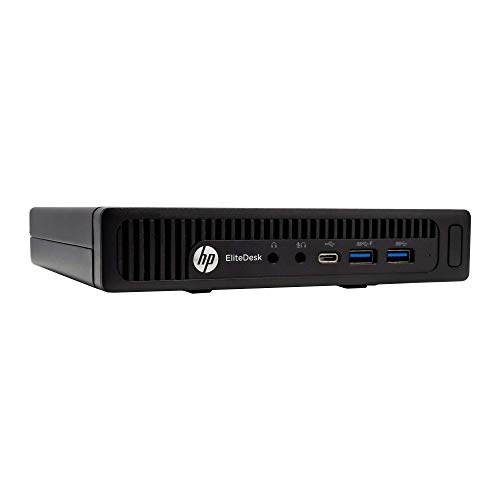
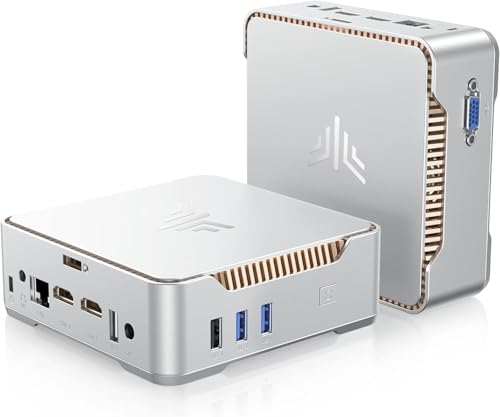
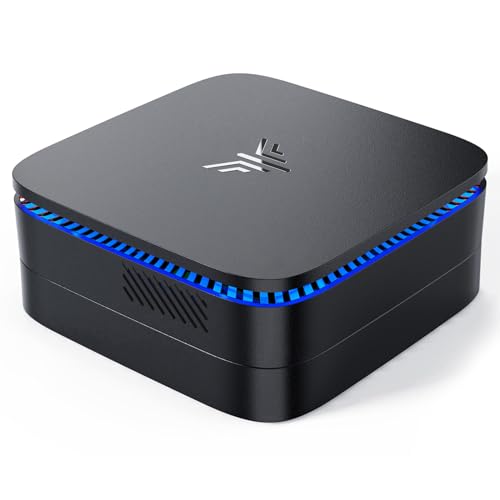
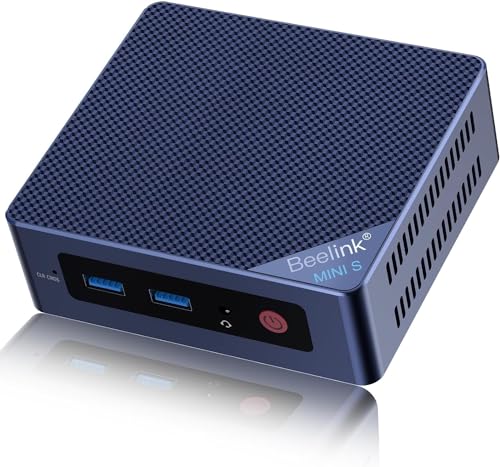
Mini desktops have been gaining popularity in recent years due to their compact size and sleek design. These pint-sized powerhouses are perfect for small spaces or for those who prefer a minimalist approach to their workstations. Measuring just a few inches tall and wide, mini desktops are easy to tuck away on a shelf or under a monitor, saving valuable real estate on your desk.
Regular desktops, on the other hand, are larger and more traditional in size. These workhorses offer more room for expansion and customization, making them ideal for users who require powerful processing capabilities and ample storage space. Regular desktops also tend to have more ports and connections, making it easier to connect multiple devices and peripherals.
When it comes to performance, regular desktops have the edge over their mini counterparts. With more room for powerful processors, graphics cards, and cooling systems, regular desktops can handle more demanding tasks like gaming, video editing, and graphic design with ease. Mini desktops are better suited for everyday tasks like web browsing, word processing, and streaming media.
In the end, the choice between a mini or regular desktop comes down to your personal preferences and needs. If space is limited and you primarily use your computer for simple tasks, a mini desktop may be the perfect fit for you. But if you require maximum performance and expandability, a regular desktop might be the better option. Whichever you choose, both mini and regular desktops have their own strengths and can be powerful tools for productivity and entertainment.
Power Comparison: Performance of Mini vs Regular
If you're in the market for a new desktop computer, you may be wondering whether a mini or regular-sized model is the right choice for you. Let's take a look at how the performance of these two options compares.
When it comes to power, regular-sized desktops typically come out on top. Their larger size allows for more powerful components, such as processors and graphics cards, which can handle more demanding tasks like gaming, video editing, and 3D design. If you need a computer for heavy-duty work or play, a regular-sized desktop may be the way to go.
On the other hand, mini desktops are known for their compact size and energy efficiency. While they may not pack as much of a punch as their larger counterparts, mini desktops are still more than capable of handling everyday tasks like web browsing, word processing, and video streaming. If space is at a premium in your home or office, a mini desktop could be the perfect solution.
In the end, the choice between a mini and regular-sized desktop comes down to your specific needs and preferences. Consider what you'll be using the computer for, how much space you have, and your budget before making a decision. Whichever option you choose, rest assured that both mini and regular-sized desktops have their own unique strengths and capabilities.
Price Tag: Mini vs Regular Desktop Costs
When it comes to purchasing a desktop computer, one of the main factors to consider is the cost. Mini desktops, also known as small form factor PCs, are typically more budget-friendly compared to their regular-sized counterparts. This is because mini desktops are smaller in size and have less components, leading to lower production costs.
A mini desktop can cost anywhere from $200 to $800, depending on the specifications and brand. On the other hand, regular desktop computers tend to start at around $500 and can go up to $2000 or more for high-end models. The price of a regular desktop is often higher due to the larger size, more powerful components, and extra features such as dedicated graphics cards.
While mini desktops may be more affordable upfront, it's important to consider the long-term costs as well. Regular desktop computers can be easier to upgrade and repair, which may end up saving you money in the long run. Additionally, regular desktops generally have more ports and expansion slots, allowing for more customization and future-proofing. Ultimately, the decision between a mini and regular desktop will depend on your budget and computing needs.
User Experience: Mini vs Regular Desktops
When it comes to choosing a desktop computer, one crucial decision to make is whether to go for a mini or regular-sized model. Both types have their own pros and cons, and ultimately it depends on your specific needs and preferences. Let's delve into the user experience of mini vs regular desktops to help you make an informed decision.
Mini desktops are compact and space-saving, making them ideal for smaller workspaces or for those who prioritize portability. They are lightweight and easy to move around, which is perfect for users who need to frequently switch locations or travel with their computer. On the other hand, regular desktops typically offer more power and storage capacity, making them a better choice for users who require high performance for tasks such as video editing or gaming.
In terms of aesthetics, mini desktops have a sleek and modern look that can easily blend into any room decor. They are often designed to be visually appealing and come in a variety of trendy colors and styles. Regular desktops, on the other hand, can be bulkier and less aesthetically pleasing, but they make up for it with their functional design and performance capabilities.
Ultimately, the choice between a mini and regular desktop comes down to your personal preferences and how you plan to use your computer. If you prioritize portability and space-saving features, a mini desktop may be the way to go. However, if you need more power and performance for demanding tasks, a regular desktop might be the better choice. Consider your needs and budget carefully before making your decision.
